Giants You Do Not Need to Fear
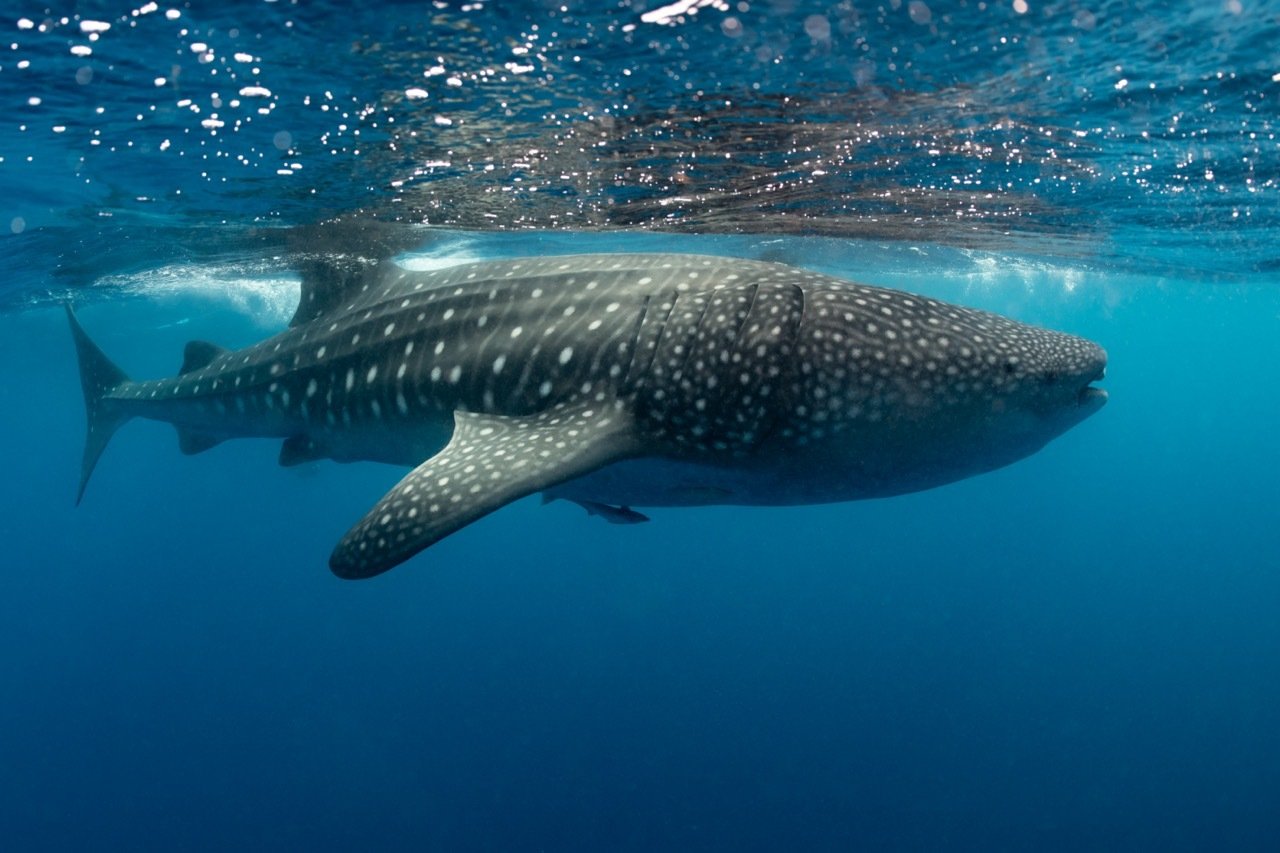
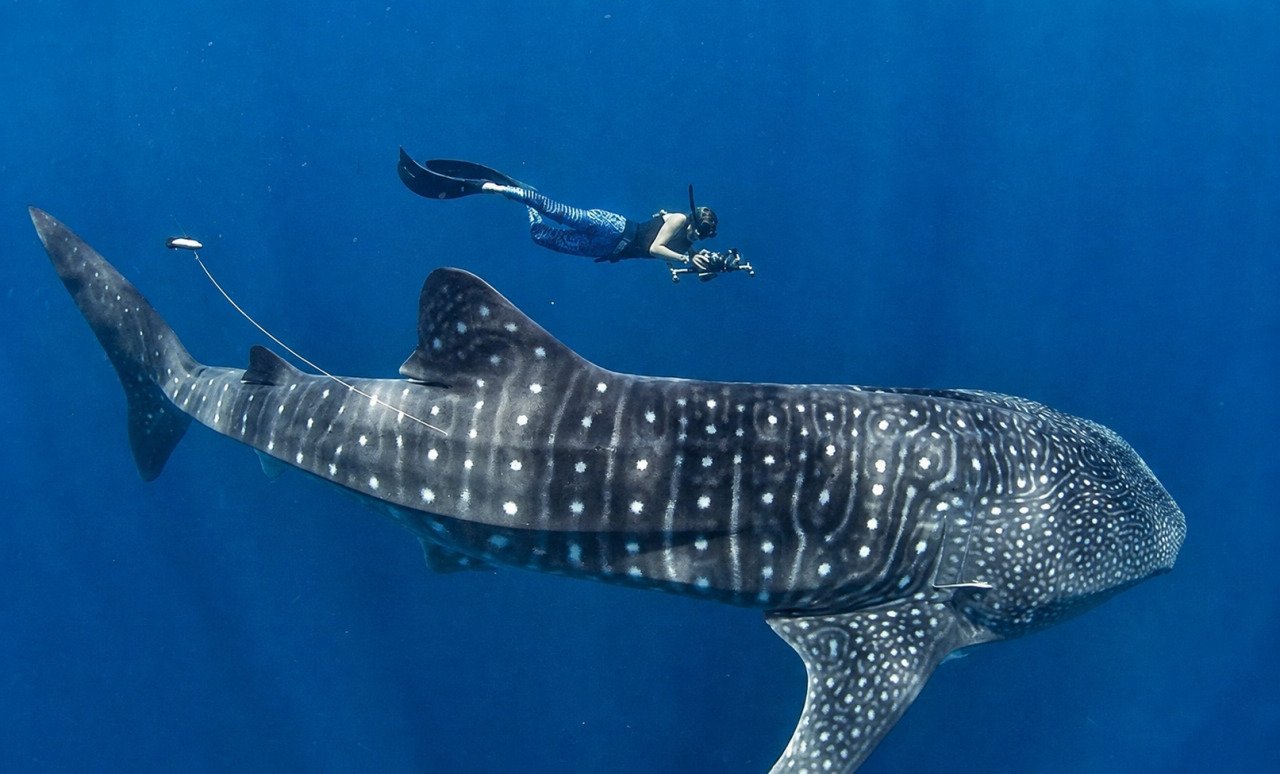
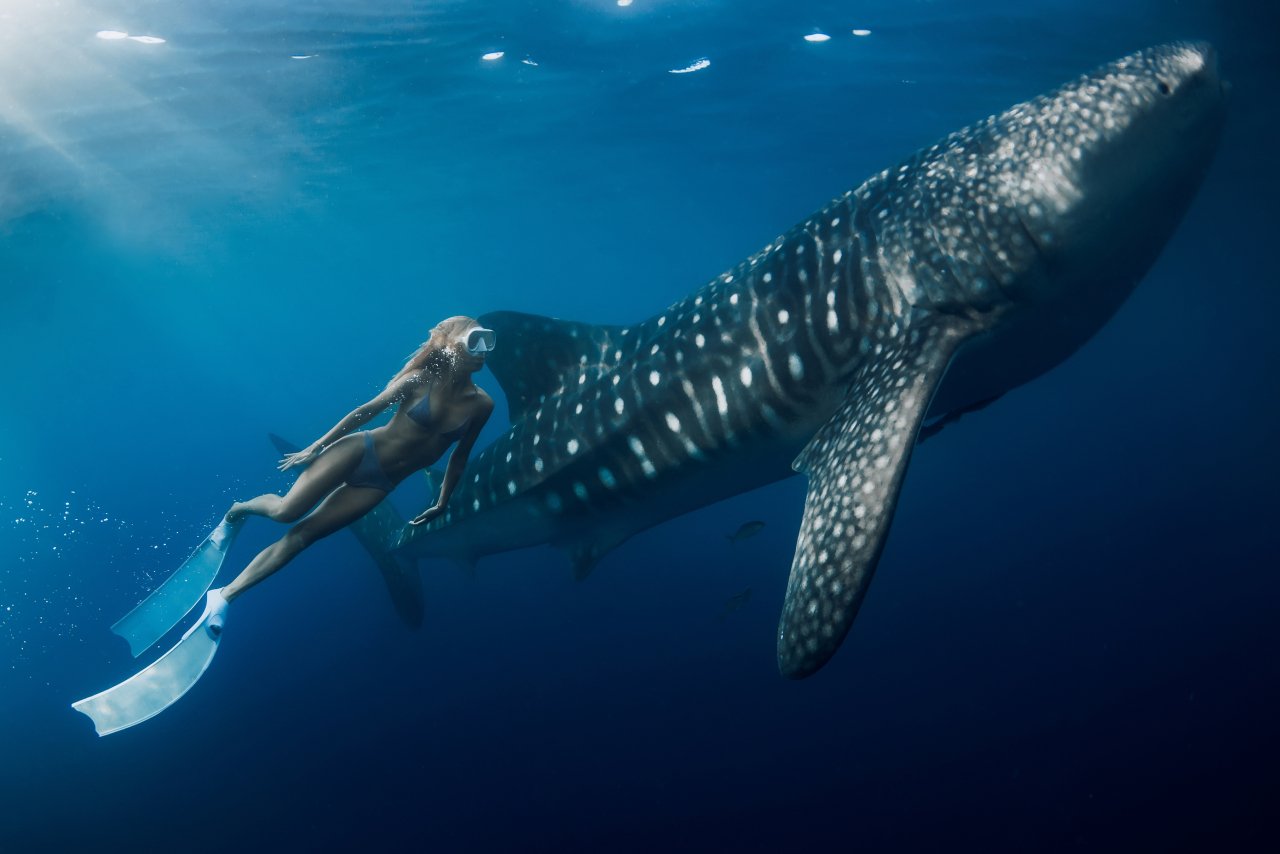
The whale shark is the largest fish in the world, with some individuals reaching around 18 metres in length. Despite their size and their name, they do not hunt humans. They are filter feeders, moving through the water in search of plankton, krill and small fish, which makes swimming beside them feel both extraordinary and unexpectedly peaceful.
Sumbawa Beyond the Whale Sharks
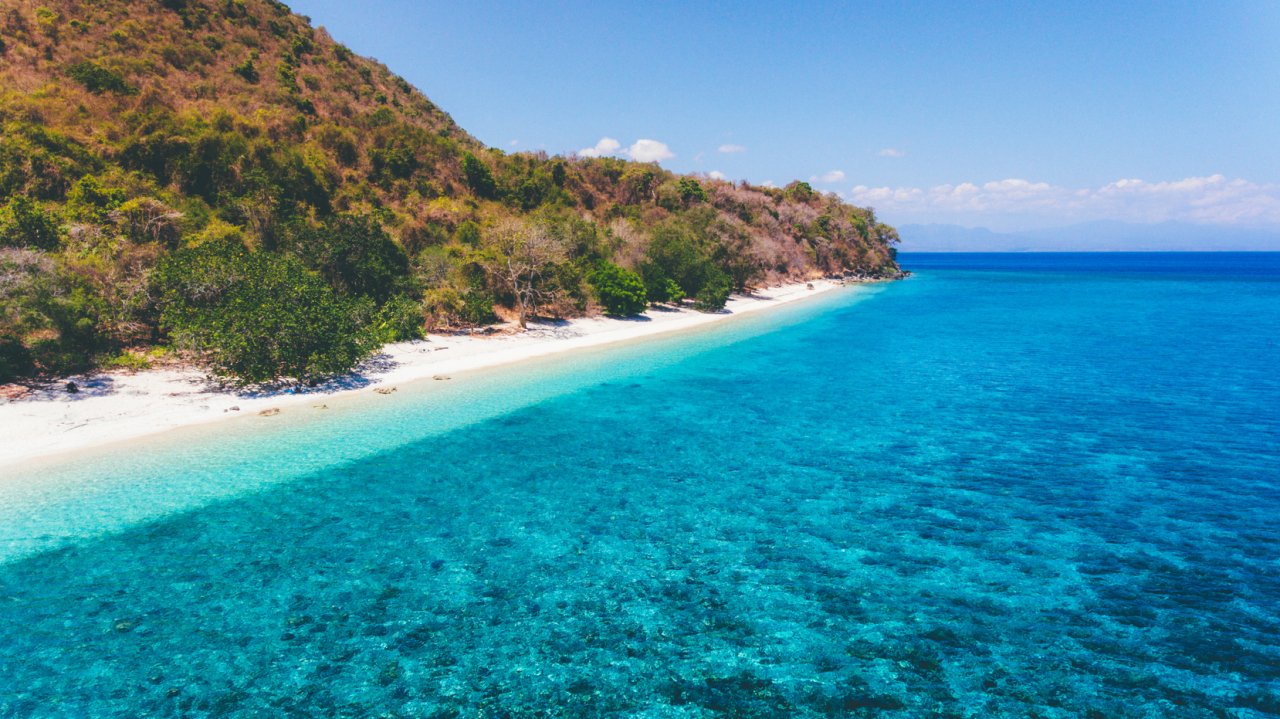
Whale sharks may be the main reason to come, but Sumbawa offers much more than a single encounter at sea. It is a large and varied island of wild coastlines, small offshore islands, mountains, savannas and places that still appear only rarely on standard Indonesian itineraries. The whale shark experience can be the centrepiece of the journey or simply one part of a longer exploration.
A Morning You Will Remember
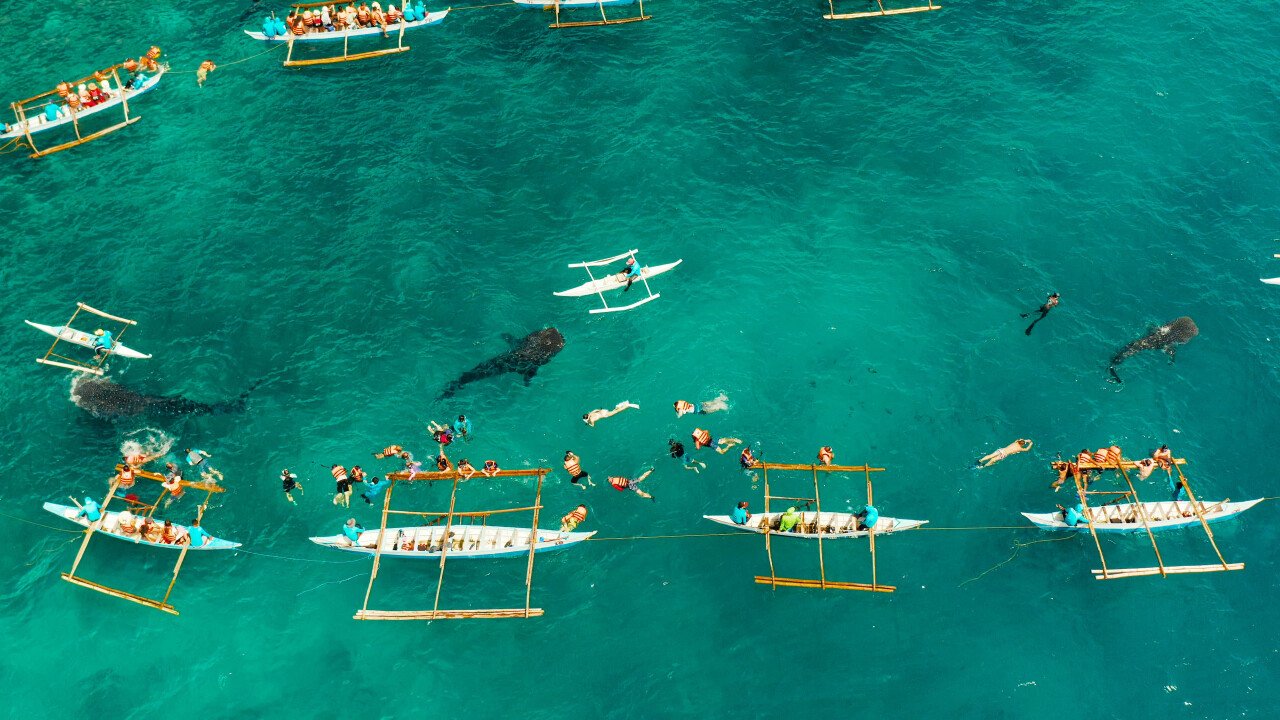
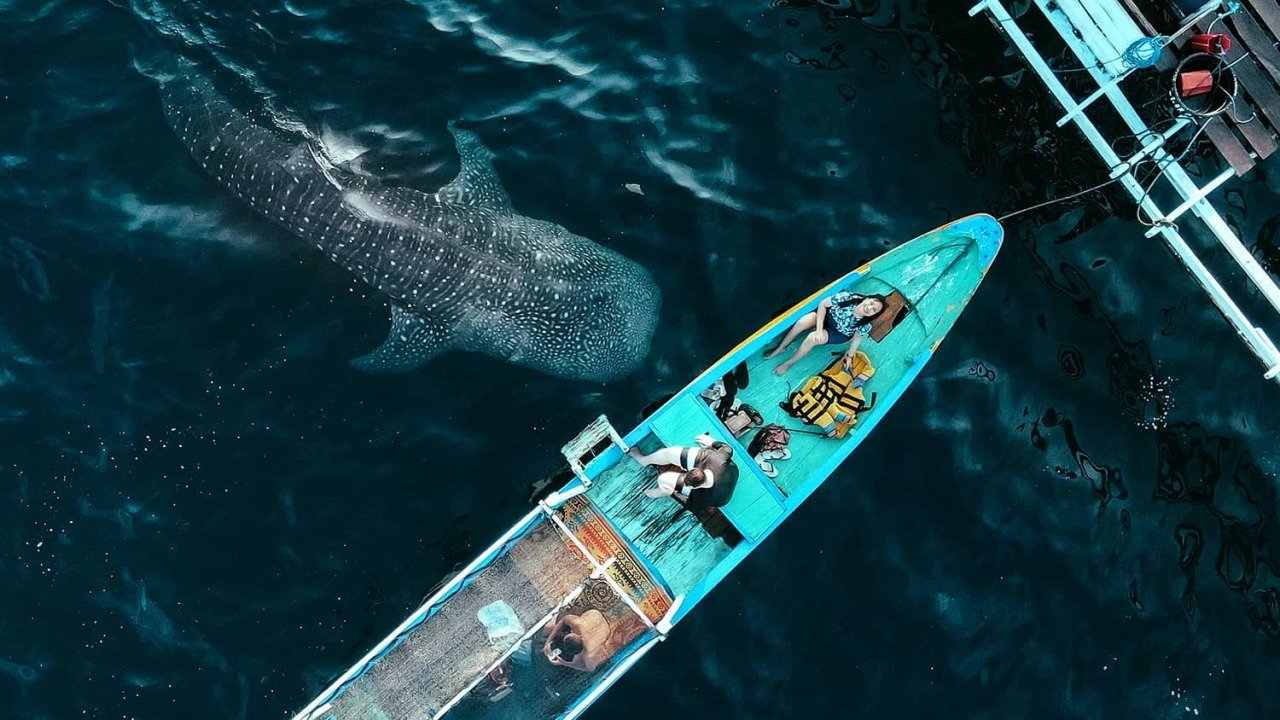
The defining moment comes at sunrise, when the boat heads out into the bay and the light slowly begins to change. Huge spotted silhouettes appear near the surface, sometimes just metres away, and the time spent in the water beside them becomes one of those rare experiences that stays with you long after the trip is over. Whale sharks are recorded in Saleh Bay throughout the year, and the bay is an important feeding area.
Why They Gather in Saleh Bay
Whale sharks are drawn to the traditional fishing platforms known as bagan. At night, fishermen use lights to attract small fish, and by morning some of the catch ends up back in the water. Whale sharks have learned to return to these feeding grounds, and their presence around the bagan was observed long before tourism developed in the area.
By Land or by Sea
There is more than one way to reach Sumbawa and experience the whale sharks. If time is limited, the journey can be built around a flight and a few days on the island. For a longer adventure, the encounter can be included in a yacht route connecting Sumbawa with Lombok, Komodo or other islands. The format depends on how much time you have and how you want the journey itself to feel.